
Chinesische Tabletten, die jeden einzelnen Penny wert sind!

Name des Geschäfts: Telcast Offizieller Laden
Beschreibung des Geschäfts: Telcast ist ein chinesisches Tablet-Unternehmen, das erstaunliche Tablets herstellt, die erschwinglich, funktionsreich, elegant und vielseitig sind. Deshalb ist es unser Favorit!
Preisspanne: $80 - $300
Insgesamt
-
Versand
-
Preise
-
Rückmeldungen
When it comes to affordable tablets, Chinese brands still dominate the market. They’ve nailed the formula, powerful hardware, sharp displays, and sleek, lightweight designs minus the premium price tag.
The big names like Xiaomi, Huaweiund Lenovo continue to impress, but it’s the new wave of manufacturers such as Teclast, CHUWIund ALLDOCUBE that are redefining what “budget” really means. These brands are producing tablets that can genuinely compete with Apple and Samsung, often for half the price.
Over the past year, we’ve tested dozens of contenders to find the Best China Tablets of 2025. From powerhouse all-rounders to compact budget champs, each model on this list delivers where it counts; smooth performance, sharp visuals, and everyday usability.
So whether you’re hunting for the best Chinese Android tablet for work, school, or entertainment, these are the top picks from brands that prove you don’t have to spend big to get big performance.
| Best China Tablets 2025 | Product Link |
|---|---|
| Xiaomi Pad 7 Pro Ai | Buy Now |
| Teclast T60 Pro | Buy Now |
| Lenovo Xiaoxin Pad Pro 2025 | Buy Now |
| Huawei MatePad 11.5 (2025 Edition) | Buy Now |
| CHUWI Hi10 Max 2025 | Buy Now |
| ALLDOCUBE iPlay 60 Pro | Buy Now |
| Teclast P50HD | Buy Now |
| Lenovo XiaoXin Pad Pro (P11 Pro) | Buy Now |
| Xiaomi Mi Pad 5 / Pad 5 Pro | Buy Now |
| Lenovo Pad P11 | Buy Now |
Lesen Sie auch: 10 Best Huawei Tablets | Top Rated Latest Huawei Tablets to Check Out in 2025
Welches ist das beste chinesische Android-Tablet?
How We Tested the Best Chinese Tablets?
We didn’t rely on spec sheets, instead we actually lived with these tablets. Every model on this list was tested hands-on for real-world performance, not just benchmark bragging rights.
Here’s how we put them through their paces:
- Performance: We ran 15+ apps at once; Chrome (10 tabs), YouTube, Canva, Telegram, and light gaming to see how each handled multitasking and heat management.
- Gaming: Each tablet took on PUBG Mobile, Asphalt 9und Genshin Impact at medium-to-high settings. We looked for frame drops, throttling, and general playability.
- Lebensdauer der Batterie: Fully charged, then tested with 3 hours of YouTube, 1 hour of Zoom, and 1 hour of gaming. We tracked screen-on time und charging speed from 0–100%.
- Display & Audio: HDR content playback and music tests helped judge brightness, contrast, and sound clarity. We also checked if Netflix/Prime streamed in HD (Widevine L1 support).
- Build & Portability: Each tablet was used on the go, in bags, on desks, and during travel to evaluate durability, weight balance, and comfort during long use.
- Connectivity & OS: We tested Wi-Fi 6/6E stability, Bluetooth 5.3 range, and 4G/5G SIM performance. OS versions spanned Android 13–15, HarmonyOS 4und Windows 11, checking for smooth updates and app support.
- Productivity & Accessories: Tablets with stylus and keyboard support like the Huawei MatePad 11.5und Lenovo Xiaoxin Pad Pro were tested for typing comfort, latency, and overall usability in note-taking and editing apps.
All devices were tested under identical conditions to keep comparisons fair.
Best Chinese Tablets 2025
Basierend auf diesen Tests, die wir in einer geschlossenen Umgebung durchgeführt haben, sind die folgenden China-Tablets einige der besten auf dem Markt.
Best Overall: Xiaomi Pad 7 Pro Ai
Approx. $550 on Amazon

Die Xiaomi Pad 7 Pro Ai is the kind of tablet that reminds everyone why Xiaomi dominates the mid-to-premium market. This thing’s an absolute beast and it’s powered by the Snapdragon 8s Gen 3 which chews through multitasking, heavy games, and creative apps without breaking a sweat.
Die 11.2-inch 3.2K 144Hz crystal-clear display is a stunner, it’s bright, fluid, and color-accurate enough to make Netflix and YouTube sessions feel cinematic. It is also the WiFi Version, so it won’t be able to make calls or send texts.


Battery life holds strong with a massive 8850mAh cell and 45W turbo chargingund die aluminum body feels premium from every angle. MIUI still has a few quirks, but performance-wise, this tablet’s in a class of its own.
Verdict: If you want the best overall Chinese tablet right now this is the one to beat.
Vorteile:
- Snapdragon 8s Gen 3 = flagship performance
- 3.2K 144Hz crystal-clear display
- Hochwertiges Design
- Great battery life with 45W turbo charging
Nachteile:
- MIUI still has minor bugs
- Keine Kopfhörerbuchse
Best Budget Pick: Teclast T60 Pro
Around $230 on Amazon

Die Teclast T60 Pro is the kind of budget tablet that makes you wonder how Teclast even pulls it off. For under $250, you’re getting a 12-inch 2K display, 20GB RAMund 128GB storage, specs that scream top-tier, not entry-level.
Powered by the Helio G99 processor, it’s perfectly capable for streaming, browsing, and light multitasking. The clean Android 15 interface keeps things smooth, and the metal body gives it that extra touch of durability.


You don’t lose HD Netflix playback since the T60 Pro comes with Widevine L1. The cameras won’t win any awards, but honestly, at this price, it’s hard to complain.
Verdict: Die Teclast T60 Pro punches way above its weight. It’s one of the best-value large-screen tablets you can buy in 2025.
Vorteile:
- Massive 12-inch display
- Great value for money
- Runs Android 15 cleanly
- Dual SIM + 4G support
Nachteile:
- Average cameras
Best for Students: Lenovo Xiaoxin Pad Pro 2025
Starts at $214 on AliExpress

Lenovo’s Xiaoxin Pad Pro 2025 might be marketed for students, but let’s be real it’s built well enough to impress anyone. With the MTK Dimensity 8300 under the hood, it’s fast, efficient, and still one of the most balanced performers in its class.
That 12.7-inch 144Hz 2.9K LCD Screen with Dolby Vision is a showstopper with vivid colors and deep contrast, making it perfect for both study sessions and Netflix marathons. Add quad Dolby Atmos speakers, stylus + keyboard support, and a battery that easily lasts a full day, and you’ve got one of the best midrange tablets out there.

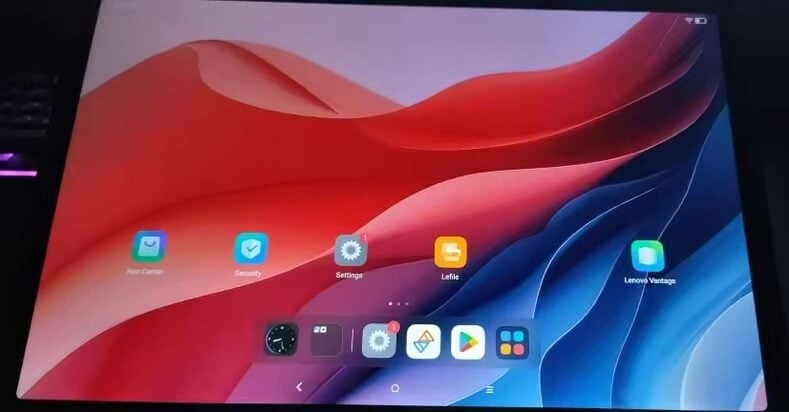
No 5G support and a modest front camera are its only misses, but for students and casual creators, this thing’s near-perfect.
Verdict: Sleek, smart, and surprisingly powerful, the Xiaoxin Pad Pro 2025 is a top-tier tablet that doesn’t need a flagship price tag.
Vorteile:
- Gorgeous 2.9K LCD display
- Stylus + keyboard support
- Solid performance
- Dolby Atmos quad speakers
Nachteile:
- No 5G
- Front camera is average
Best for Work: Huawei MatePad 11.5 (2025 Edition)
Around $479 on AliExpress

Huawei’s MatePad 11.5 (2025) proves that productivity tablets don’t have to cost a fortune to feel premium. Running on HarmonyOS, this sleek all-metal beauty packs a 144Hz 2.8K display that’s perfect for design work, note-taking, or editing on the go.
Under the hood, the Snapdragon 7 Gen 1 chip and 8GB RAM keep things smooth whether you’re multitasking between docs or sketching with the M-Pencil 2nd Gen. Pair it with Huawei’s Smart Magnetic Keyboard, and it genuinely feels like a mini laptop.
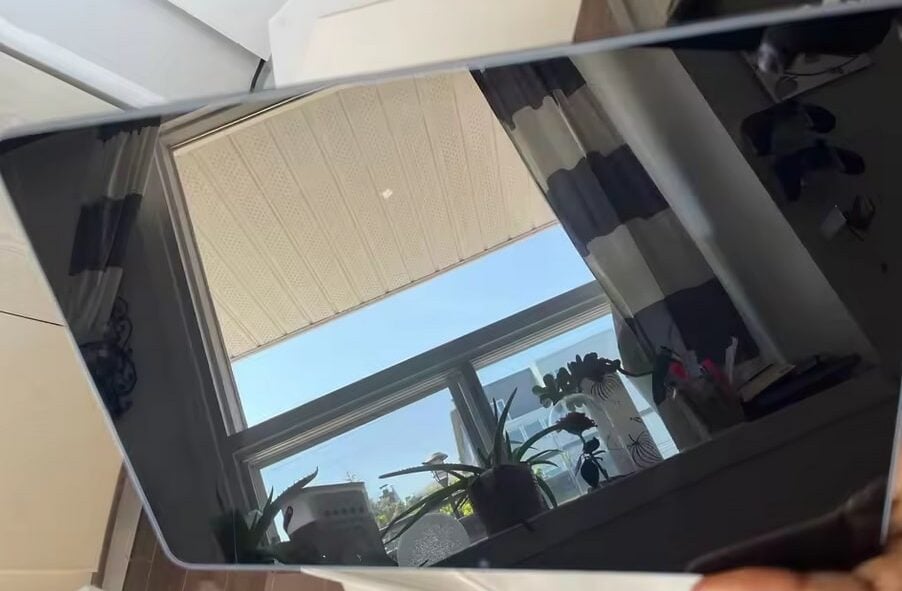

Battery life easily pushes through a full workday, though you’ll still have to work around the usual Google app limitations. That said, Huawei’s ecosystem has grown enough that it’s rarely a dealbreaker anymore.
Verdict: Stylish, powerful, and built to last, the MatePad 11.5 (2025) is one of the best productivity tablets in the Chinese market today.
Vorteile:
- Ausgezeichnete Verarbeitungsqualität
- Sharp 2.8K 144Hz screen
- Great stylus and keyboard integration
- Lange Lebensdauer der Batterie
Nachteile:
- Limited Google app support (still workaround possible)
- Pricey vs Android competitors
Best Windows 2-in-1: CHUWI Hi10 Max 2025
Around $360 on Amazon
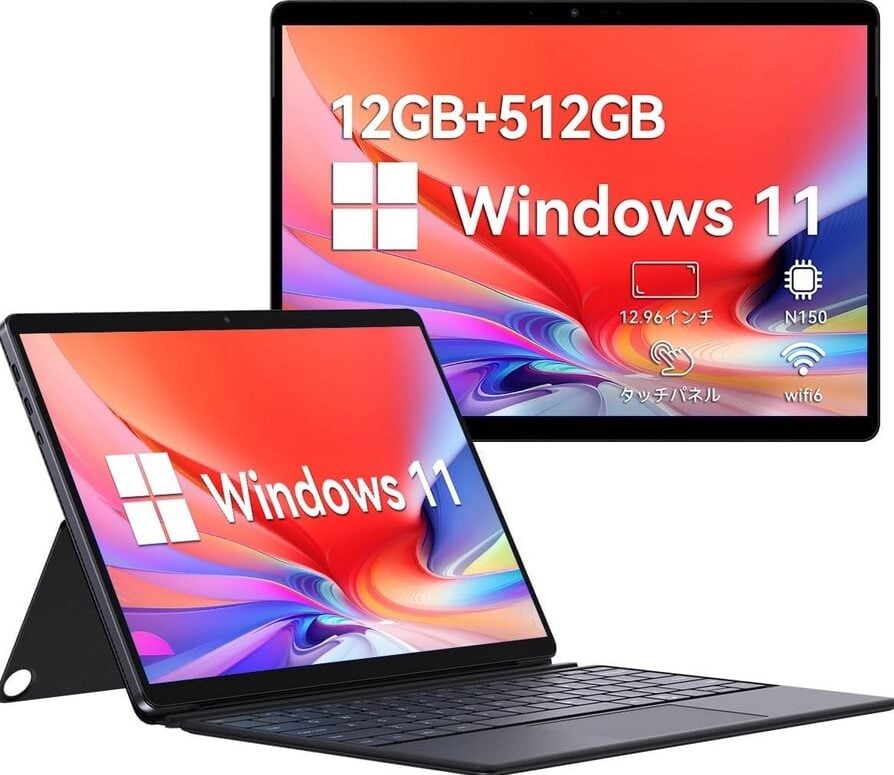
If you’ve been eyeing the Surface Pro but don’t love the price tag, the CHUWI Hi10 Max 2025 is your answer. It’s a full Windows 11 2-in-1, powered by Intel’s N150 processor making it efficient, stable, and quick enough for office work, web browsing, and streaming.
Die 13-inch 3K display looks sharp and vibrant, and the detachable keyboard plus stylus support make it surprisingly versatile for the price. It’s light enough to carry anywhere, and the aluminum body gives it a premium feel that CHUWI’s really nailed this time.


Battery life isn’t marathon-level (you’ll get around 6 hours), and the speakers are average but those are small trade-offs for an under $400 Windows tablet that handles real productivity apps with ease.
Verdict: Die CHUWI Hi10 Max 2025 is the budget-friendly workhorse that brings true 2-in-1 flexibility to people who actually need it, not just dream about it.
Vorteile:
- Great value Windows tablet
- Leicht und tragbar
- Sharp 3K display
- Keyboard and pen support
Nachteile:
- Middling speakers
- Limited battery life (~6 hours)
Best for Entertainment: ALLDOCUBE iPlay 60 Pro
Around $160 on Amazon

If you’re after a tablet that’s built for pure entertainment without draining your wallet, the ALLDOCUBE iPlay 60 Pro hits that exact mark. It’s one of those underrated finds that quietly delivers everything you actually need; smooth streaming, solid multitasking, and great visuals, all under $200.
Powered by the MediaTek Helio G99 Octa-core, it handles browsing, Netflix, and light gaming without stutters. The 11-inch FHD display is bright, colorful, and way sharper than you’d expect in this price bracket. Plus, with 16GB RAM, up to 1TB storageund Android 14, it feels modern and uncluttered right out of the box.


Connectivity’s another win here, 4G LTE, Bluetooth 5.2und dual-band Wi-Fi5 all play nicely. The 7000mAh battery easily gets you through a full day of streaming or travel, though charging could be faster.
The cameras are basic, but let’s be real you’re not buying this to shoot vlogs. You’re buying it because it’s one of the few sub-$200 tablets that actually nails the basics und looks good doing it.
Vorteile:
- Bright display
- Clean Android 14 interface
- Excellent connectivity options
- Long-lasting 7000mAh battery
Nachteile:
- Cameras are basic
- Charging is slower than average
Best Mini Tablet: Teclast P50HD
Around $139 on AliExpress

Die Teclast P50HD is proof that good things really do come in small packages. Sitting comfortably in the sub-$150 range, this compact 11-inch tablet hits that sweet spot for readers, travelers, and anyone who just wants a no-fuss Android device that works.
It runs on Android 15, feels smooth for everyday use, and even packs 4G SIM support so you’re not tethered to Wi-Fi all the time. The Full HD 90Hz display is bright and crisp enough for movies or eBooks, and the metal chassis gives it a surprisingly premium feel for the price.
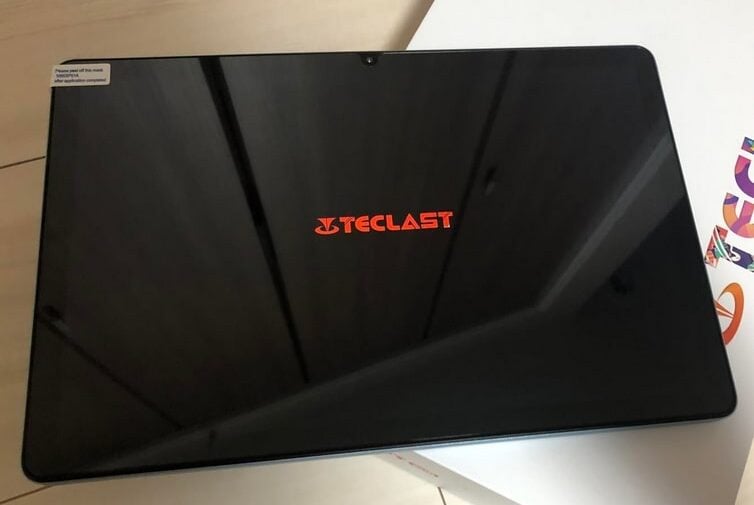
Sure, it’s not built for hardcore gaming or photography (the cameras are, well… functional), but that’s not its job. The Teclast P50HD is a small, reliable, do-it-all tablet that nails portability and practicality and in 2025, that still counts for a lot.
Vorteile:
- Compact and lightweight
- 4G connectivity
- Excellent value
- Runs Android 15
Nachteile:
- Not for heavy gaming
- Average cameras
Lenovo XiaoXin Pad Pro (P11 Pro)

Das Lenovo XiaoXin Pad Pro (P11 Pro) zeichnet sich durch seine Leistungsstärke und sein Premium-Flair aus, was es zu einem der Top-Kandidaten im Bereich der chinesischen Tablets macht.
Sein Flaggschiff-Prozessor Snapdragon 870 sorgt für nahtloses Multitasking und bewältigt selbst die anspruchsvollsten Spiele mühelos, so dass der Nutzer ein reibungsloses und reaktionsschnelles Erlebnis hat.
In Verbindung mit dem atemberaubenden 2K-OLED-Display ist die Darstellung schlichtweg atemberaubend. Lebendige Farben, tiefe Schwarztöne und weite Betrachtungswinkel heben Ihren Medienkonsum auf ein neues Niveau.
Neben seinen leistungsstarken Innereien besticht das P11 Pro auch durch sein schlankes und hochwertiges Design. Mit einem schlanken Profil von nur 5,8 mm und einem Gewicht von 486 g fühlt es sich bemerkenswert leicht an und strahlt mit seiner Aluminium-Unibody-Konstruktion einen Hauch von Luxus aus.

Auch bei der Audioqualität geht das Tablet keine Kompromisse ein, denn die vier JBL-Lautsprecher mit Dolby Atmos-Technologie sorgen für einen atemberaubenden Klang für Film- und Musikliebhaber gleichermaßen.
Doch trotz seiner vielen Stärken hat das P11 Pro auch seine Nachteile. Seine Premium-Funktionen sind mit einem Premium-Preisschild verbunden, was es im Vergleich zu anderen chinesischen Tablets auf dem Markt teurer macht.
Auch wenn die Software im Allgemeinen reibungslos funktioniert, wurden gelegentlich Probleme mit der Benutzeroberfläche und Bugs gemeldet, was darauf hindeutet, dass die Software noch optimiert werden kann.
Die Kombination aus Flaggschiff-Leistung, atemberaubendem Display und hochwertigem Design macht es zu einer überzeugenden Option für anspruchsvolle Nutzer, wenn auch zu einem höheren Preis und mit einigen kleineren Einschränkungen in Bezug auf Softwareoptimierung und Speicherplatz.
Xiaomi Mi Pad 5 / Pad 5 Pro

Die Xiaomi Mi Pad 5 und Pad 5 Pro were game changers when they dropped a few years back, the moment Xiaomi decided to take tablets seriously again. And honestly, even in 2025, these two still hold their own surprisingly well, especially if you can snag one at a good price.
Back then, Xiaomi packed these with serious hardware muscle, the Snapdragon 860 on the regular Pad 5 and Snapdragon 870 on the Pro. Both chips still handle day-to-day tasks, media, and even moderate gaming without flinching. Sure, they won’t smoke the newer Snapdragon 8 Gen lineup, but for streaming, editing docs, or watching Netflix, they’re smooth and reliable.
The display is where the Pad 5 really flexes. You get an 11-inch WQHD panel with a 120Hz refresh rate, and it still looks fantastic today, bright, sharp, and fluid enough to make scrolling feel effortless. Xiaomi really nailed the screen quality here; it’s easily one of the best displays from its generation.
Battery life is another strong suit with the 8720mAh cell that keeps things running all day, and 33W fast charging gets you from zero to full in under two hours. Not bad at all for a 2021 release.
Design-wise, the Pad 5 and Pad 5 Pro still feel premium: slim, minimal, and sturdy, with that clean aluminum finish Xiaomi is known for. They were also among the first in their lineup to support Google Play Store natively, which was a big step up from earlier Mi Pad generations.
Running on Android 11 (MIUI for Pad), the UI still feels clean enough for casual use though you’ll want to disable some of Xiaomi’s “extras” if you like a minimal setup.
In short: the Mi Pad 5 series may not be the flashiest kids on the block anymore, but they’re rock-solid mid-rangers that aged gracefully. If you’re hunting for a dependable tablet for entertainment, reading, or light productivity and find one on discount it’s absolutely worth picking up.

| Profis | Nachteile |
| Großes WQHD-Display | Fehlender 3,5-mm-Klinkenstecker und Fingerabdruckscanner |
| Reibungslose Leistung und flüssige Benutzeroberfläche | Einige Probleme mit größeren Anwendungen |
| Gut klingender Stereo-Ton | |
| Anständige Akkulaufzeit |
Lenovo Pad P11

If you’ve been hunting for a tablet that nails the balance between performance, design, and everyday usability, the Lenovo Pad P11 still deserves a spot on your radar. It’s not flashy, but it’s one of those tablets that just gets the job done and does it well.
Under the hood, Lenovo’s running the show with the Snapdragon 662 processor, which clocks up to 2.0GHz. It’s not a powerhouse by 2025 standards, but it handles multitasking, streaming, and productivity apps smoothly without throwing a tantrum. Pair that with Android 10 (yes, the stock version, no weird bloat), and you get a clean, responsive experience that’s easy to live with.
Die 11-inch Full HD IPS display is crisp, bright, and surprisingly punchy for its price bracket. It even supports 2K playback (2000×1200), not something you often find in tablets from this range. The design? Sleek, minimal, and very “Pixel-ish,” with a slim body that’s lightweight yet grippy enough not to feel slippery. Lenovo clearly took notes from premium players here.

Connectivity-wise, the Pad P11 doesn’t hold back. You’ve got USB-C, USB-A, and even an HDMI port tucked neatly along the edge. Bluetooth and Wi-Fi connections are rock solid, so whether you’re pairing wireless earbuds or mirroring your screen, it’s hassle-free.
Lenovo also went the extra mile with sensors, you get a Hall-Sensor, gyroscope, ambient light sensor, accelerometer, and even a built-in vibrator (for notifications, obviously). It’s small touches like these that make the P11 feel thought-out instead of just “another Android slab.”
In short: the Lenovo Pad P11 isn’t trying to compete with flagships, it’s a dependable daily driver for streaming, reading, browsing, and light work. If you want something reliable, well-built, and decently future-proof without paying top dollar, this tablet’s a smart pick.
| Profis | Nachteile |
| Ein hochwertiger Bildschirm liefert scharfe Bilder | Niedrige Bildwiederholfrequenz |
| Unterstützt externe Stifte und verwendet Technologie zur Handflächenabweisung | Kein Fingerabdruck-Scanner |
| Großartiger Octa-Core-Prozessor der Einstiegsklasse |
Worauf Sie beim Kauf eines chinesischen Tablets achten sollten
The Chinese tablet market in 2025 is more competitive than ever but that also means you need to be a little more selective.
- Operating System: Go for Android 13 or higher, or HarmonyOS 4/5 on Huawei models. Avoid older Android 10/11 models unless they’re heavily discounted.
- Prozessor: Look for modern chipsets like Snapdragon 8 Gen 1/2, Dimensity 8000+, or Unisoc T820/T616 for budget-friendly performance.
- Anzeige: Prioritize Full HD+ or 2K resolution with 90Hz or 120Hz refresh rates for smoother visuals.
- Memory & Storage: 6GB RAM minimum, ideally 8GB+und 128GB storage or more.
- Konnektivität: Choose tablets with Wi-Fi 6 or 6E, Bluetooth 5.3und 4G/5G SIM slots if you need mobile data.
- Streaming Support: Check for Widevine L1 certification if you plan to stream Netflix or Prime Video in HD.
- Battery & Charging: Aim for 8000mAh+ batteries and at least 18W fast charging, anything less will feel sluggish in 2025.
- Build & Accessories: Metal bodies last longer, and stylus or keyboard support adds extra value if you plan to use it for work or school.
Are Chinese Tablets Any Good?
The days of sketchy off-brand Android tablets are long gone.
Brands like Xiaomi, Lenovo, Teclast, CHUWI, Huawei, and ALLDOCUBE now deliver polished, reliable devices that rival Samsung or Apple in everyday use.
Most 2024–25 Chinese tablets now run stock or lightly skinned Android 14/15, come with regular security updates, and use the same Snapdragon and Dimensity chipsets found in global flagships. The build quality has also caught up with aluminum frames, laminated displays, and better thermals are now the norm.
So yes, Chinese tablets have officially moved from “budget alternatives” to “smart choices.
Ist Teclast eine gute Marke?
Telcast ist ein aufstrebender Elektronikhersteller, der Laptops, Tablets, Smartphones, Powerbanks und mehr herstellt. Sie haben in der Vergangenheit einige gute Produkte hergestellt und produzieren weiterhin erstaunliche Produkte zu einem super günstigen Preis. Telcast ist eine ziemlich gute Marke.
Ist Alldocube eine gute Marke?
ALLDOCUBE hat den Ruf, einige erstaunlich gestaltete Produkte herzustellen. Sie sind eine gute Marke, die sich einen guten Ruf als zuverlässiger Elektronikhersteller erworben hat. Vor allem ihre Tablets sind einen Kauf wert!
Kann man mit LTE-Tablets telefonieren?
LTE-Tablets mit der Möglichkeit, SIM-Karten einzulegen, können tatsächlich Anrufe tätigen.
Stellt Huawei Tablets her?
Huawei stellt neben anderen Produkten in seinem Portfolio auch Tablets her. Die Huawei Mediapad-Serie ist die beliebteste Serie von Huawei-Tablets und das Mediapad M6 ist eines der neuesten Huawei-Tablets, die auf den Markt kommen.
Warum sollte ich chinesischen Tabletten vertrauen??
- Sie funktionieren mit Standard-Android. Sie versuchen nicht, das Rad neu zu erfinden. Sie verwenden das Kern-Betriebssystem von Android und arbeiten darauf auf, ohne ihre eigenen Versionen zu machen, was sie ziemlich einfach zu bedienen und blitzschnell macht.
- Sie ahmen die bestehenden Designs von Tablets wie dem iPad und den Tablets von Samsung nach. Dadurch wird sichergestellt, dass das Design dieser Tablets von höchster Qualität ist.
- Reputation ist alles. Aufstrebende Marken werden ihre Glaubwürdigkeit verlieren, wenn sie schlechte Produkte herstellen.
Lesen Sie auch :
- Beste chinesische Android-TV-Boxen
- Beste Airpod-Alternativen
- Beste chinesische Laptops
- Top Mini-Projektoren auf AliExpress
- TOP CHINESISCHE SMARTWATCHES
Inhaltsübersicht


 German
  English
  Spanish
  French
  Dutch
Dutch  Portuguese
  Italian
  Polish